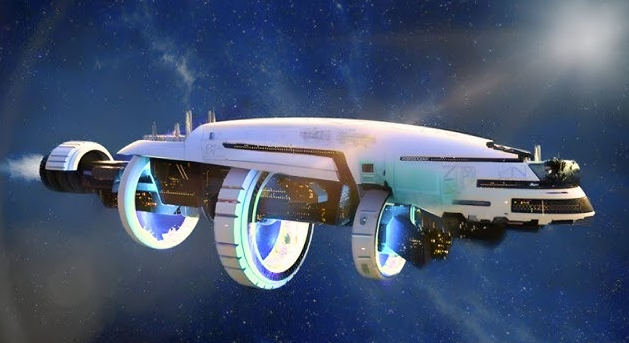
The future of space technology is increasingly defined by artificial intelligence, which enhances efficiency in mission operations. Innovations in reusable rocket designs promise to transform the economics of space travel. Meanwhile, private companies are emerging as key players in the exploration of exoplanets. As autonomous systems and advanced propulsion technologies evolve, the potential for deeper cosmic exploration expands. This convergence of factors raises critical questions about the implications for humanity’s place in the universe.
The Rise of Artificial Intelligence in Space Missions
As space exploration becomes increasingly complex, the integration of artificial intelligence (AI) in space missions has emerged as a pivotal advancement.
Machine learning algorithms facilitate data analysis, enhancing decision-making processes. Additionally, autonomous navigation systems allow spacecraft to operate independently, reducing human error and increasing mission efficiency.
The rise of AI represents a fundamental shift, empowering humanity to explore the cosmos with unprecedented freedom and precision.
Innovations in Reusable Rocket Technology
The advancements in artificial intelligence have paved the way for significant innovations in reusable rocket technology, transforming the economics and sustainability of space travel.
Enhanced reusable designs optimize launch efficiency, reducing costs and resource consumption.
See also: The Future of Robotics
Advancements in Deep Space Exploration
How can humanity push the boundaries of our solar system?
Advancements in deep space exploration hinge on refined mission planning and sophisticated technologies.
Recent exoplanet discoveries necessitate the development of robust spacecraft capable of interstellar travel.
Enhanced propulsion systems, autonomous navigation, and advanced communication frameworks are vital components that will enable deeper exploration, fostering a greater understanding of cosmic environments and potential habitable worlds.
The Role of Private Companies in Space Industry Growth
While traditional government agencies have historically dominated the space industry, the emergence of private companies has fundamentally transformed this landscape, driving innovation and increasing investment.
These entities have pioneered advancements in space tourism, making access to space more attainable.
Additionally, private firms are enhancing satellite deployment efficiency, contributing to global communication networks and Earth observation capabilities, thus expanding the industry’s growth and potential.
Conclusion
In conclusion, the future of space technology will be defined by the integration of artificial intelligence to enhance mission efficiency, the development of reusable rocket systems to reduce costs, the advancement of autonomous systems for deeper exploration, and the collaboration between private companies and government agencies to drive innovation. As these elements converge, they will not only expand humanity’s reach into the cosmos but also redefine the possibilities of exploration, sustainability, and economic viability in space travel.