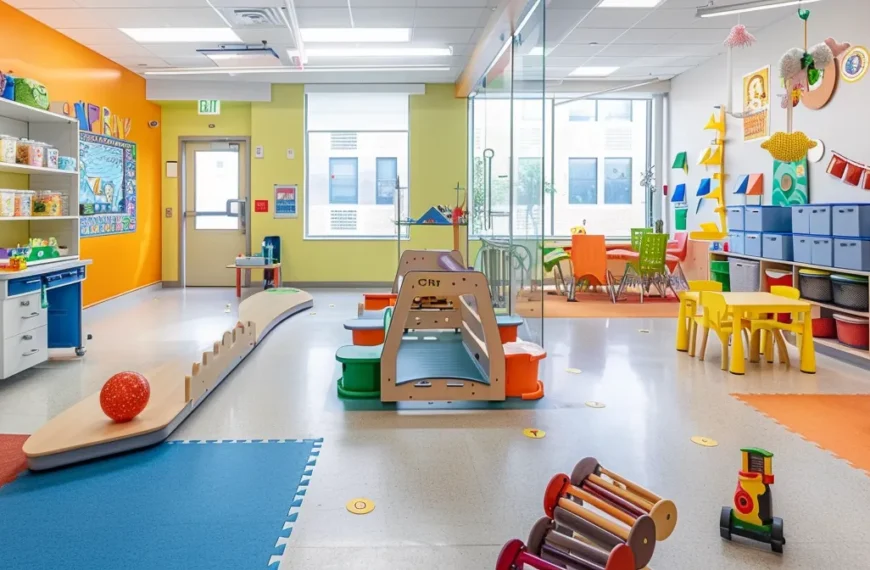
The future of hybrid work presents a complex landscape that demands careful consideration. Organizations must navigate the balance between flexibility and structure while reimagining office environments to enhance collaboration. With technology rapidly evolving, seamless communication becomes a cornerstone of productivity. Additionally, prioritizing employee well-being is essential for sustaining engagement. As these elements intertwine, the effectiveness of hybrid models will hinge on how well companies adapt to emerging challenges and opportunities. What might this evolution look like?
Embracing Flexibility in Work Arrangements
A significant number of organizations are beginning to recognize the critical importance of embracing flexibility in work arrangements.
This shift includes enhancing remote onboarding processes, allowing employees to integrate seamlessly into teams from diverse locations.
Rethinking Office Spaces for Collaboration
As organizations navigate the complexities of hybrid work, reimagining office spaces to enhance collaboration becomes essential.
Creative layouts that prioritize open, flexible environments can facilitate spontaneous interactions and idea exchanges.
Designating specific collaborative zones encourages teamwork and innovation, allowing employees to engage freely.
This strategic approach not only fosters a sense of community but also adapts to diverse work styles, ultimately driving productivity.
Leveraging Technology for Seamless Communication
Given the rapid evolution of hybrid work models, organizations must prioritize technology that enables seamless communication among remote and in-office employees.
By effectively leveraging remote tools and digital platforms, companies can foster collaboration, enhance productivity, and ensure that all employees feel connected.
This strategic focus on technology not only empowers individuals but also cultivates a culture of inclusivity, essential for future workplace success.
See also: abrahamturf
Prioritizing Employee Well-Being in a Hybrid Model
How can organizations effectively prioritize employee well-being within a hybrid work model?
By fostering an environment that values mental health and promotes work-life balance, organizations can empower employees.
Implementing flexible schedules, providing mental health resources, and encouraging open communication can enhance overall satisfaction.
This collaborative approach not only nurtures individual well-being but also drives productivity, ensuring a thriving hybrid workplace for all.
Conclusion
In conclusion, the future of hybrid work will resemble a finely tuned orchestra, where each element—flexibility, innovative office designs, advanced technology, and employee well-being—harmonizes to create a productive and satisfying environment. As organizations adapt to this evolving landscape, they will foster a culture that values diverse work styles and nurtures collaboration. By prioritizing these key aspects, businesses can cultivate a thriving workplace that not only meets the needs of employees but also drives organizational success.