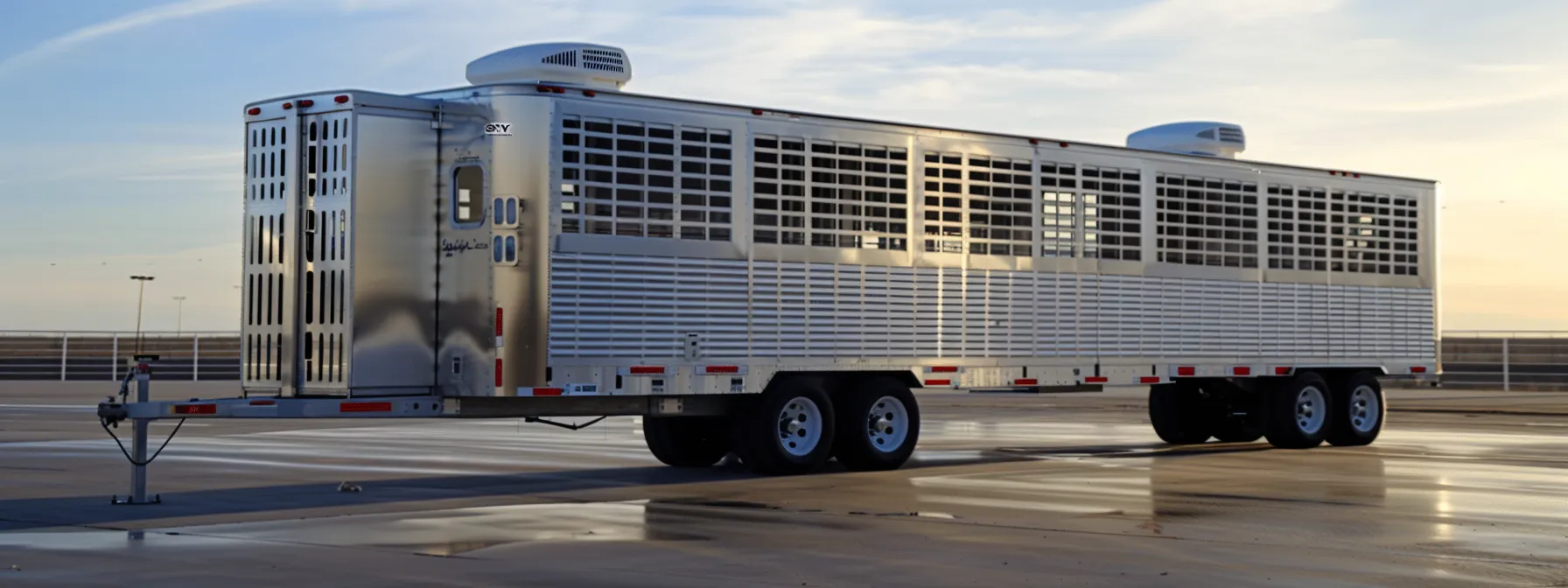
When considering the purchase of a livestock trailer, durability is a key factor that cannot be overlooked. The choice between aluminum and steel trailers often hinges on various aspects like resilience, weight, and long-term maintenance. Each material offers its own set of advantages, making the decision complex for buyers. This article will delve into the specifics of aluminum and steel livestock trailers, comparing their durability, how they perform under different conditions, and the cost implications of maintaining them.
Aluminum Livestock Trailers: Lightweight and Resilient
Aluminum livestock trailers are renowned for their lightweight nature, which is a significant advantage in the automotive sector. The reduced weight allows for better fuel efficiency and easier towing, making them a preferred option for many users. In construction contexts, using CAD (Computer-Aided Design) Software can further enhance the design efficiency of these trailers, ensuring they meet specific durability requirements. Additionally, aluminum is naturally resistant to rust and corrosion, which contributes to its longevity even in harsh weather conditions.
Despite being lightweight, aluminum trailers are remarkably resilient. They absorb impacts efficiently, reducing the risk of structural damage during transportation. Furthermore, the use of advanced manufacturing techniques, such as those informed by BIM (Building Information Modeling), can optimize the structural integrity of aluminum trailers. If you’re considering an Aluminum Livestock Trailer for Sale, it’s important to note the long-term benefits of reduced maintenance costs and sustained durability.
Steel Livestock Trailers: Sturdy and Long-lasting
Steel trailers are celebrated for their robustness and strength, often favored in construction scenarios where heavy-duty performance is essential. They are particularly effective in environments where trailers face rough terrains or need to carry heavier loads. The strength of steel is unmatched, providing a reliable option for those prioritizing load-bearing capabilities. However, regular maintenance is crucial to prevent rust, especially in humid or wet conditions.
In the construction industry, steel trailers benefit from precise engineering that can be optimized through tools like Torque Wrench Calibration, ensuring all components are securely fastened. The solid build of steel trailers also makes them ideal for extended use, reducing the need for frequent replacements. Although heavier than aluminum, steel’s durability under stress and impact is a trade-off that many find worthwhile.
Comparative Analysis of Durability in Various Conditions
When comparing the durability of aluminum versus steel livestock trailers, context is key. In dry conditions, aluminum trailers excel due to their resistance to corrosion, while steel trailers may require more frequent checks and maintenance. Conversely, in scenarios involving extreme pressure or load, steel trailers might outperform aluminum due to their inherent strength and resilience.
Weather conditions also play a critical role. For instance, in coastal areas where salt exposure is common, aluminum’s corrosion resistance offers a distinct advantage. In contrast, steel trailers can benefit from Scaffolding Safety Inspection-like routines to ensure their integrity remains uncompromised over time. The choice between the two materials should be guided by specific environmental and usage conditions.
Cost Considerations and Maintenance for Longevity
The initial cost of aluminum livestock trailers is typically higher than that of steel, but their long-term maintenance expenses are often lower. Aluminum’s resistance to rust reduces the need for regular upkeep, making it a cost-effective option over time. However, if a trailer is expected to endure significant wear and tear, the upfront investment in a steel trailer might be justified by its superior load-bearing capabilities.
Maintenance practices also differ significantly. Steel trailers require routine inspections and protective coatings to prevent rust, much like an OSHA (Occupational Safety and Health Administration) Compliance checklist ensures workplace safety. On the other hand, aluminum trailers, while easier to maintain, still benefit from regular inspections to catch any potential structural issues early. Evaluating these costs and maintenance needs is essential for making an informed purchasing decision.
Conclusion
Choosing between aluminum and steel livestock trailers involves weighing various factors, including durability, environmental conditions, and maintenance costs. Aluminum trailers offer lightweight durability and corrosion resistance, making them suitable for many applications. Steel trailers provide unmatched strength and load-bearing capacity, ideal for heavy-duty use. For buyers, assessing specific needs and conditions will guide the choice of the most durable and cost-effective option. Understanding these elements ensures an informed decision, aligning with individual requirements and operational demands.