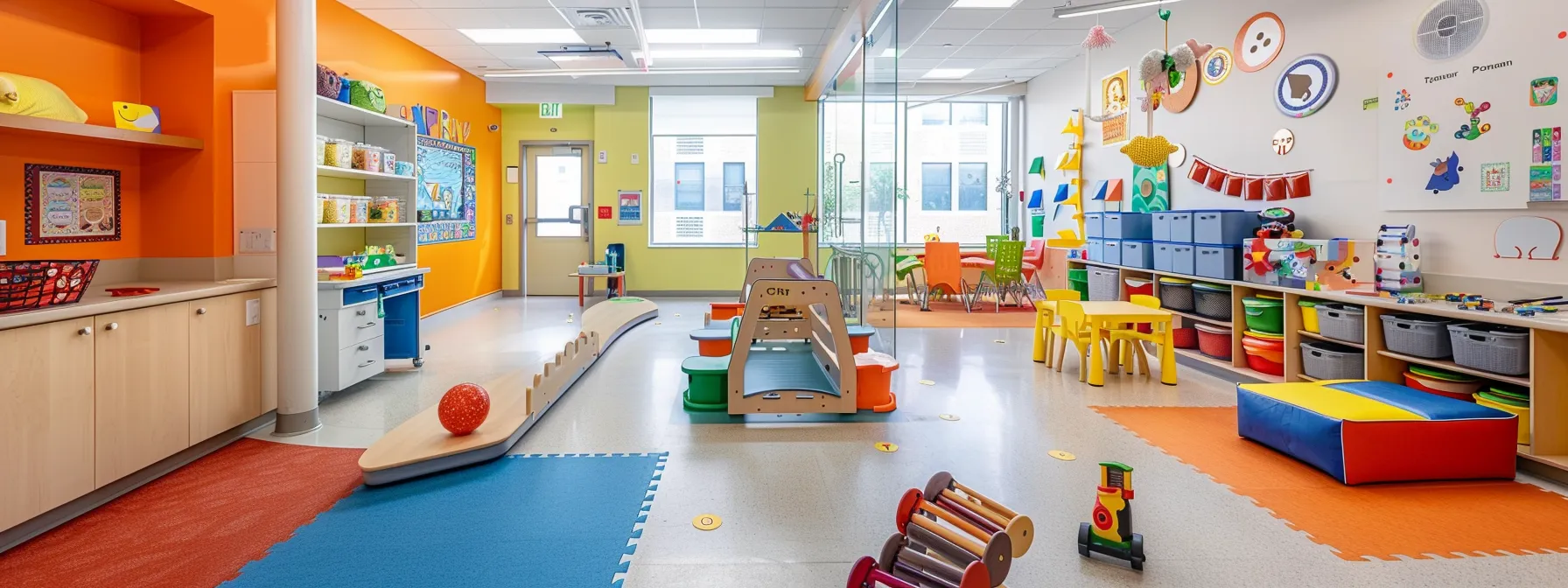
Parents in New York City often face the challenging decision of choosing the best therapeutic approach for their children’s developmental needs. Pediatric Occupational Therapy (OT) offers a tailored approach specifically designed for children, focusing on improving their ability to perform daily activities. In contrast, traditional therapy methods, which may include general physical or speech therapies, are not always specifically tailored for the unique requirements of pediatric patients. This article explores the distinctions between these therapeutic approaches, analyzing success rates and the factors influencing parental choices in NYC.
Pediatric Occupational Therapy: A Specialized Approach for Children
Pediatric Occupational Therapy is a focused discipline that addresses the physical, sensory, and cognitive aspects of a child’s development. This therapy utilizes specialized tools and techniques, such as Clinical Decision Support Systems (CDSS), to create individualized treatment plans that promote skill acquisition and independence. In NYC, clinics offering Occupational Therapy NYC often see significant improvements in children with developmental disorders, such as autism and ADHD, by integrating play-based activities that are both engaging and educational.
Moreover, Pediatric Occupational Therapy in NYC often utilizes Electronic Health Records (EHR) to track progress and adjust treatments in real-time, ensuring that interventions are effective and aligned with each child’s evolving needs. This adaptability is a key differentiator from traditional therapy, making Pediatric OT a preferred choice for many parents seeking specific developmental milestones for their children.
Traditional Therapy: Methods and Limitations in Child Development
Traditional therapy methods, while effective for a broad range of issues, often lack the specificity required for treating pediatric patients. These methods usually focus on general rehabilitation techniques that are not tailored to the unique developmental stages of children. For instance, standard therapeutic practices may not incorporate age-appropriate activities that engage a child’s interest, which is crucial for effective learning and development.
Another limitation of traditional therapy is its reliance on general procedure codes, such as Current Procedural Terminology (CPT), which may not fully capture the intricate needs of pediatric care. Furthermore, the lack of emphasis on Workflow Optimization within traditional settings can result in less efficient therapy sessions, potentially hindering a child’s progress.
Comparing Outcomes: Success Rates of Pediatric Occupational Therapy vs Traditional Therapy
When comparing the outcomes of Pediatric Occupational Therapy with traditional therapy, studies have shown that children receiving specialized OT services often achieve higher success rates in reaching developmental goals. According to recent research, children who engage in Pediatric OT demonstrate improved social skills, better attention spans, and enhanced fine motor capabilities compared to those undergoing traditional therapy methods (Source: American Journal of Occupational Therapy, 2023).
For example, clinics offering Occupational Therapy NYC have reported a higher success rate in helping children with sensory integration disorders achieve functional independence. This is attributed to the therapy’s targeted interventions and the effective use of tools such as Telehealth Platforms, which facilitate remote therapy sessions and continuous monitoring of progress.
Choosing the Right Therapy: Factors Influencing Parental Decisions in NYC
Choosing the right therapy for a child in NYC involves considering several factors, including the specific developmental needs of the child, the expertise of the therapists, and the availability of specialized services. Many parents in NYC opt for Pediatric Occupational Therapy due to its comprehensive approach and proven track record in improving child outcomes.
Moreover, the availability of Advanced Care Organizations (ACO) and Meaningful Use metrics in Pediatric OT ensures that care is both coordinated and accountable, providing peace of mind to parents. The decision is further influenced by the accessibility of resources and the integration of Population Health Management strategies, which ensure that the child’s progress is continuously monitored and adjusted as necessary.
Conclusion

Pediatric Occupational Therapy offers a specialized and effective approach to addressing the diverse developmental needs of children in NYC. Its tailored interventions, supported by modern healthcare tools, often result in better outcomes compared to traditional therapy methods. For parents evaluating therapy options, considering the unique benefits of Pediatric OT can lead to informed decisions that significantly enhance their child’s developmental journey.